For many travellers, the word "safari" immediately evokes images of Africa.
The great migration across the Maasai Mara. Elephant herds moving through Botswana's Okavango Delta. Lions resting beneath acacia trees as the sun sets over the savannah.
These experiences have earned their place among the world's great wildlife journeys.
Yet for travellers who have already explored Africa's iconic safari destinations, a question often emerges: what comes next?
More often than not, the answer is India.
Not because it offers the same experience. In many ways, India's wildlife story is unique and it may just be what you missed all along!
The Art of Anticipation
One of the defining characteristics of a safari in India is anticipation.
Unlike many African ecosystems, where wildlife can often be observed across vast open landscapes, India's forests are more intimate and unpredictable. Dense vegetation, winding tracks and thick jungle can conceal wildlife until the very last moment.
A tiger sighting is rarely taken for granted.

Bengal tigers in an Indian national park
Anticipation builds, so does hope, as your naturalist tracks large paw prints…
And when it finally happens, the experience often feels intensely personal.
For many travellers, this sense of uncertainty is precisely what makes India's wildlife so memorable.
Five Remarkable Species
While the Bengal Tiger is undoubtedly India's most celebrated wildlife icon, it is far from the only reason to visit.
Bengal Tiger
The world's largest wild cat remains one of the most sought-after wildlife sightings on Earth. National parks such as Bandhavgarh, Kanha and Ranthambore have become synonymous with tiger conservation and continue to attract wildlife enthusiasts from around the globe.
Indian Leopard
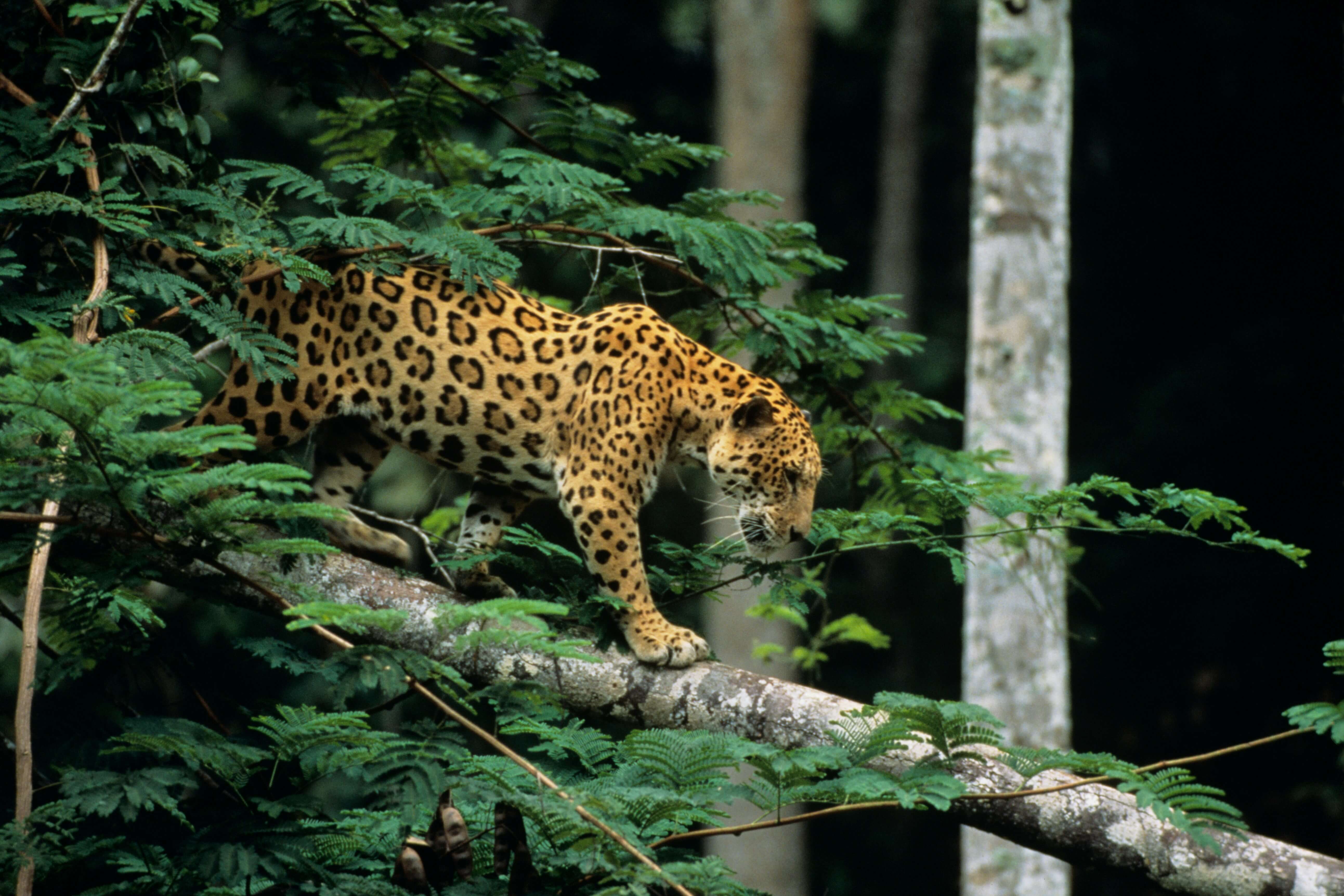
Adaptable, elusive and remarkably resilient, leopards can be found across a wide range of Indian landscapes. In places such as Jawai, travellers have the opportunity to observe them in a setting unlike any other.

Greater one-horned rhinoceros in Kaziranga National Park, India
One-Horned Rhinoceros
Once on the brink of extinction, the greater one-horned rhinoceros is one of India's great conservation success stories. Assam's Kaziranga National Park remains one of the best places in the world to encounter this extraordinary species.
Asiatic Lion
Found only in and around Gujarat's Gir National Park, the Asiatic lion is one of the rarest large carnivores on Earth and represents one of wildlife conservation's most remarkable recoveries.

A wild Asian elephant in an Indian forest
Asian Elephant
Whether encountered in the forests of southern India or the grasslands of the northeast, Asian elephants remain among the country's most captivating wildlife experiences.
More Than Wildlife
What sets India apart is not simply the diversity of species.
It is the context in which they are experienced.
Many of the country's national parks exist within landscapes shaped by centuries of history, mythology and human interaction. Wildlife conservation here is intertwined with local communities, cultural traditions and some of the world's most ambitious environmental success stories.
A journey through India's wilderness often becomes a journey through its wider cultural landscape as well.
For many travellers, that additional layer of depth is what makes the experience so rewarding.
Who Should Consider a Wildlife Journey in India?
India's wildlife experiences are particularly well suited to:
- •Repeat safari travellers seeking a fresh perspective
- •Wildlife photographers
- •Families with older children
- •Conservation-minded travellers
- •Luxury travellers looking for experiences beyond traditional city and cultural itineraries
- •Guests interested in combining wildlife with culture, wellness or the Himalayas

A bird perched on a tree branch in the Indian wilderness
Planning a Wildlife Journey
Most wildlife journeys in India are best undertaken between October and June, with different parks offering unique experiences throughout the season.
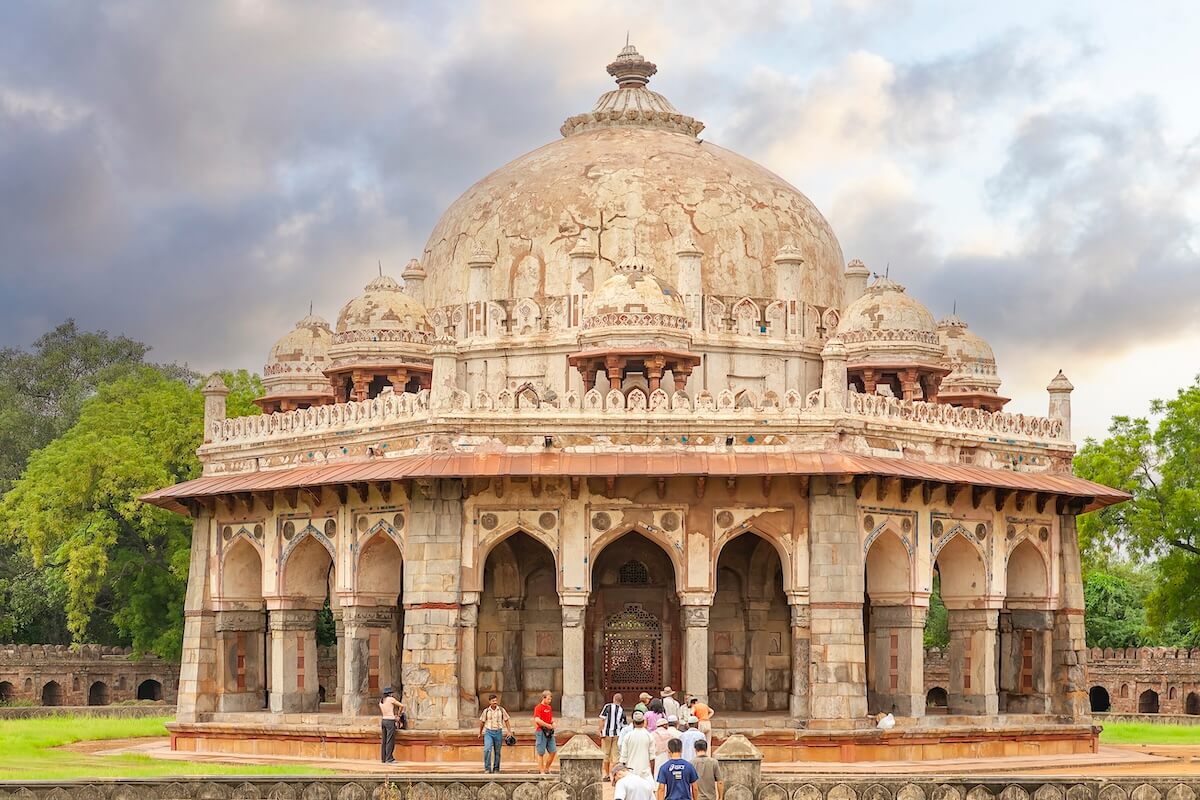
A stay of seven to twelve nights allows travellers to combine multiple reserves while maintaining a comfortable pace. Many guests choose to pair wildlife experiences with destinations such as Rajasthan, Delhi, Agra or wellness retreats elsewhere in the country.
Luxury lodges, expert naturalists and private guiding opportunities ensure that wildlife journeys can be tailored to a wide range of interests and travel styles.
Looking Ahead
Africa will always remain one of the world's great safari destinations.
India, however, offers something different: a wildlife experience built around anticipation, conservation and cultural depth.
For travellers willing to trade certainty for discovery, the rewards can be extraordinary.
And for those wondering what comes after Africa, India's forests may offer one of the most compelling answers.